Menopause And Urinary Incontinence: Causes And Therapies
The Web Link Between Menopause And Urinary System Incontinence: A Methodical Evaluation
You don't have to approve occasional bladder leak as another side effect of menopause or aging. In many cases, there are things you can do to quit and even avoid urinary incontinence. Detecting hormone-related urological problems starts with a comprehensive case history and physical examination. Blood tests measure hormonal agent levels like testosterone, estrogen, and adrenal hormones. These tests assist recognize imbalances that might be causing signs and symptoms such as frequent urination or incontinence.And while this is an usual symptom of menopause, that doesn't make it normal. Info offered on the Aeroflow Urology internet site is not planned as an alternative to medical guidance or treatment from a medical care specialist. Aeroflow advises consulting your healthcare provider if you are experiencing clinical issues connecting to urinary incontinence.
Just How Estrogen Loss Effects Urinary Feature
Make a consultation with Dr. Allison Wyman for treatment options if you have urinary system incontinence. Staying clear of cigarette use sustains overall urological health and lowers risks of complications. A well balanced diet abundant in fruits, vegetables, and whole grains sustains hormone balance and urinary system function. Imaging examinations, such as ultrasounds or MRIs, might be made use of to check the bladder, prostate, and kidneys. Urodynamic researches examine just how well the bladder and urethra shop and release pee.
Specialists use led workouts, breathing methods, and posture training to assist enhance stamina, control, and relaxation. It can help with better bladder control, lowered pelvic discomfort, and improved self-confidence and lifestyle. Among postmenopausal women, UI is still a common and complicated problem that has a significant unfavorable impact on well-being and lifestyle. A detailed method to this trouble will lessen UI's negative impacts on society all at once while concurrently boosting specific health results. Fortunately, various administration strategies and therapies are readily available for UI, and females experiencing this issue must not hesitate to look for assistance. Way of life alterations, such as weight management, pelvic floor workouts (like Kegel workouts), and bladder training can be helpful.Therapy Choices For Hormonal Changes And Incontinence In Women

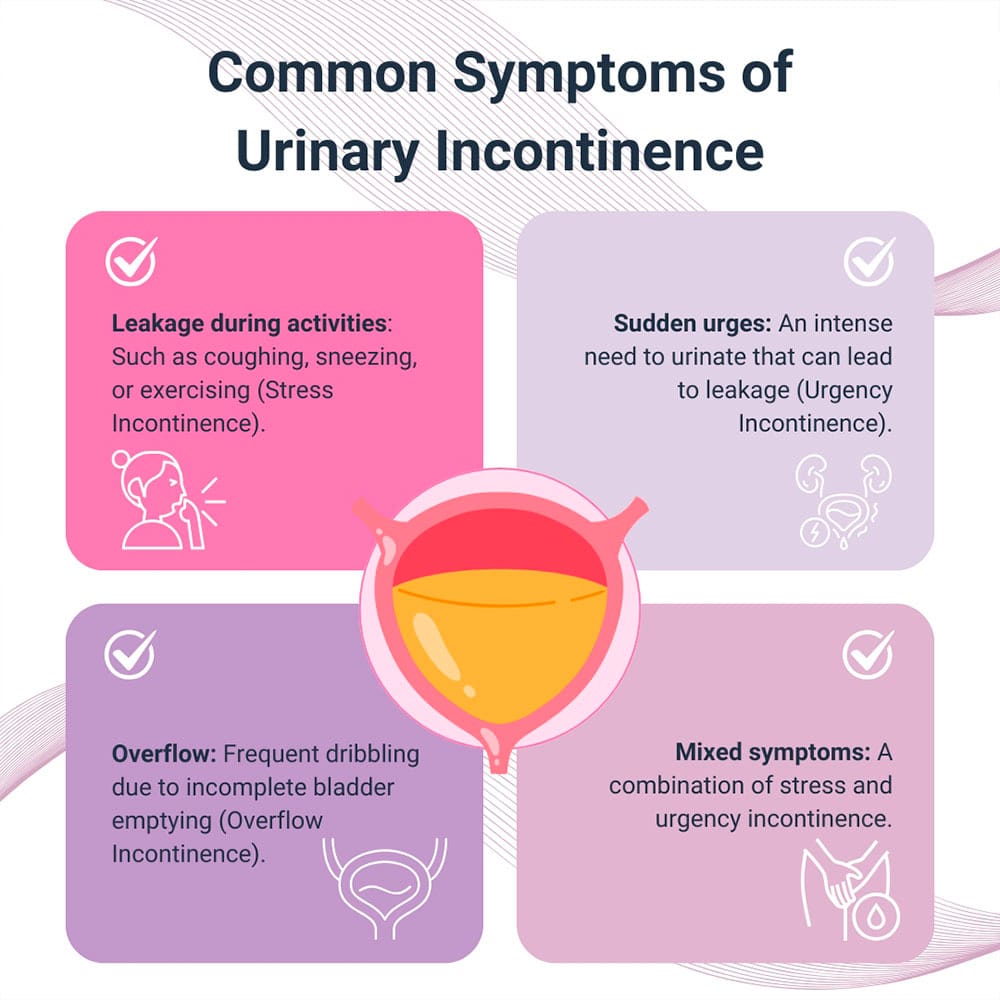
Injuries and aging can also lead to weakness or injury to pelvic flooring muscle mass. These modifications can lead to urinary signs and symptoms like dripping urine or prompt incontinence. It also assists maintain your bladder and urethra healthy and balanced and working properly. They may no longer have the ability to regulate your bladder as they did previously. As your estrogen levels continue to go down throughout and after menopause, your UI signs and symptoms may worsen.
According to the North American Menopause Society, the most typical types of bladder problems throughout menopause are stress incontinence and prompt urinary incontinence. Physical changes caused by menopause can result in bladder problems. Your pelvic flooring muscular tissues suspend your bladder and rectum like a hammock. These muscles weaken as we age and cause the bladder to prolapse, or descend right into the vagina. Pessaries are helpful to decrease signs and symptoms of anxiety urinary incontinence by holding the bladder in position and decreasing pee leakage. Menopause is a natural phase in your life that signifies the end of your fertility.- They can aid prevent the weakening of pelvic flooring muscular tissues, which often takes place during pregnancy and childbirth.
- Your physician or registered nurse will certainly work with you to treat your urinary incontinence or refer you to a professional if you need different treatment.
- These may include medications to assist with bladder function, regional hormone treatment, treatments like neurostimulation, or surgical procedures to strengthen assistance for the bladder and urethra.
- Menopause marks a considerable transition in a female's life, with its range of signs typically leading to questions about their beginning.